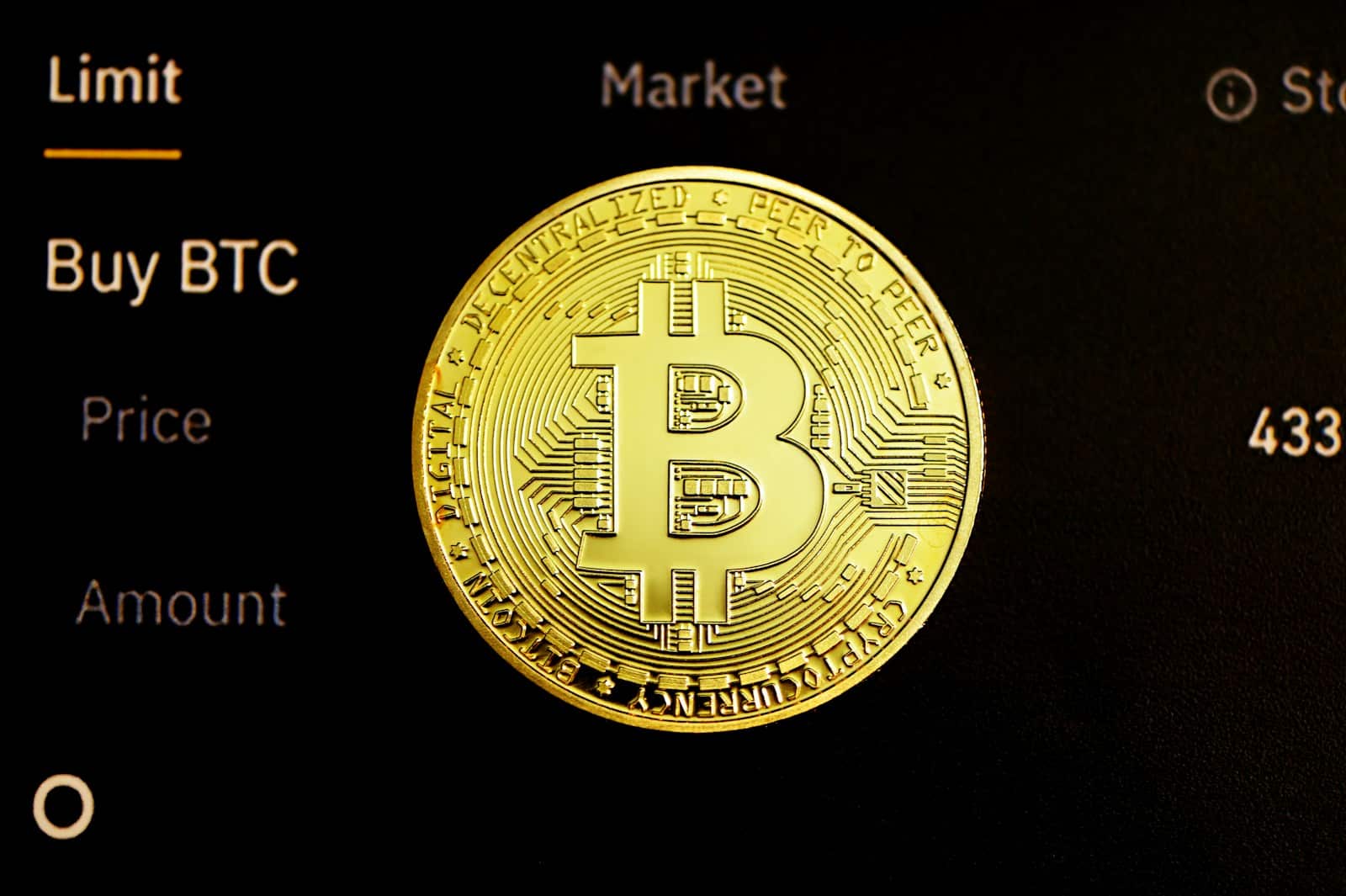
Why BTC Remains One of the Most Traded Crypto
Bitcoin is one of the most heavily traded assets in the crypto market globally among retail traders, institutions, miners, and holders looking for liquidity. Many still maintain that converting altcoins into Bitcoin, including Ethereum, is core to 2025 due to the deep liquidity, strong infrastructure, and historical resilience of BTC. Since one can easily get in and out of a position with Bitcoin through trusted crypto like Tron exchange, the coin remains the most liquid and widely accessed digital asset.
A Market Built Around Bitcoin
Bitcoin remains at the core of the world’s crypto marketplaces. Despite the development of several thousand altcoins and the establishment of new blockchains, BTC represents more than 40% of total crypto market capitalization on a consistent basis. Its first-mover advantage and unparalleled network effect mean every major exchange, lending platform, and DeFi protocol has deeply integrated Bitcoin.
Most crypto trading pairs are still based on Bitcoin for base asset price discovery and hedging. Institutional investors, ETFs, and custodians also tend to favor BTC because of regulatory clarity and a familiar valuation narrative-something like “digital gold.”
Liquidity and Global Acceptance
For this reason, among others, Bitcoin is still the most-traded cryptocurrency: its liquidity is unrivaled. Large amounts of Bitcoin can be bought or sold with very small slippage, making it perfect for high-frequency traders and institutional participants.
No other crypto-asset has the same diversity in trading venues: from spot markets to futures, options, and even tokenized products on traditional financial platforms, Bitcoin is available at any moment of the day to any place in the world. The more broadly available it is, the more participants trade BTC, which in turn stabilizes and makes it an attractive medium of exchange.
Store of Value and Hedge Against Inflation
The scarcity model of Bitcoin, with its limited supply capped at a total of 21 million coins in circulation, makes it a very unique hedge against inflation. Unlike all fiat currencies that have always suffered from supply increase problems, Bitcoin offers truly predictable issuance via automated mining rewards.
This “digital gold” narrative has strengthened since the onset of global inflationary pressures and central bank interventions. During times of uncertainty, investors looking to maintain purchasing power often rotate into Bitcoin. Whether held for months or minutes, BTC serves as a safe harbor for capital in volatile markets.
Foundation for Mining of Crypto Derivatives & Collateral
Most crypto derivatives, like perpetual swaps, options, and leveraged futures, use Bitcoin either as the underlying or collateral. This leads to even higher transaction volumes, as traders speculate on the price direction, volatility, and correlations of BTC. Bitcoin is deeply integrated into the lending markets. These platforms enable users to borrow stablecoins or other assets against Bitcoin collateral. This use case as a deeply recognized form of collateral further cements BTC as the cornerstone for decentralized finance and Web3 liquidity.
Network Security and Transparency
The Bitcoin blockchain is the most secure, decentralized, and time-tested ledger in the crypto world. If supported by an international mining network, its consensus algorithm based on proof-of-work provides resistance against manipulation and censorship that is second to none. Although every transaction is recorded transparently, Bitcoin has privacy tools such as coin joins and non-custodial storage options. This balance between transparency and control further strengthens user trust and contributes to long-term adoption – crucial drivers of its high volumes of trading activity.
Halving Cycles and Market Sentiment
Bitcoin does have a supply schedule driven by the halving events that cut block rewards approximately every four years. Historically, these halvings create a bullish momentum by lowering the rate of issuance and fueling the scarcity narrative. The predictability of such cycles feeds speculation, trading volume, and long-term accumulation strategies. Every time a Bitcoin halving draws closer, traders increasingly rotate into BTC positions in anticipation of potential accelerations, this behavior significantly boosts BTC trading volumes as compared to other cryptocurrencies without similarly system-defined milestones.
The BTC-ETH Dynamic
In particular, the rise of Ethereum did not take away from Bitcoin’s strength but rather cemented the BTC-ETH trading pair as one of the most common combinations traded in crypto. This is a representative combination for the clash between two leading blockchain philosophies: the dominance of Bitcoin as a decentralized store of value against Ethereum as the programmable financial base layer. Active traders switch between the two to time market development, staking yields in the case of ETH, and macro narratives.
This is an inflow that cements Bitcoin’s relevance, even among those newer users who were initially drawn to DeFi or NFTs. The broader institutional and regulatory infrastructure for Bitcoin also explains why it garners more transactions than any other digital asset.
Broader Institutional and Regulatory Infrastructure
Bitcoin remains the only widely accepted cryptocurrency by institutions, governments, and traditional finance. The spot Bitcoin ETFs in several regions, custody solutions by several major banks, and even approval frameworks from financial regulators made BTC legitimate, if not compared to other assets. And this institutional comfort represents consistent trading activity, in particular in the United States, Singapore, and Europe. For traditional investors coming into crypto, Bitcoin is almost always the first point of exposure-something that strengthens its volume and visibility compared to other digital assets.
How Bitcoin Remains Important in Web3
Thus, it is a fact that, whether in a bull or bear market, Bitcoin has been the most traded cryptocurrency in any market, and this is not simply an artifact of early adoption. Instead, it reflects deep liquidity, global recognition, infrastructure at an institutional level, and value driven by scarcity. While the crypto ecosystem will continue to evolve with new projects and innovations, Bitcoin undoubtedly remains the axis around which the market rotates.
This is something that the narrative of digital freedom, decentralized finance, and financial sovereignty is likely to grow with-and with that, the trading activity of Bitcoin. The BTC role is here to stay, whether for hedging speculation, or as a long-term investment, right at the center of the crypto economy.