Altcoins List: A Comprehensive Guide to Alternative Cryptocurrencies
Altcoins, short for alternative cryptocurrencies, are digital currencies that offer unique features and functionalities beyond Bitcoin. This comprehensive guide will introduce you to the world of altcoins, their benefits, and how to invest in them.
What Are Altcoins?
Altcoins are cryptocurrencies other than Bitcoin. They are built on blockchain technology and offer various features and use cases. Some altcoins aim to improve upon Bitcoin’s limitations, while others provide entirely new functionalities.
Why Invest in Altcoins?
Investing in altcoins can be lucrative for several reasons:
- Diversification: Altcoins offer diversification in your cryptocurrency portfolio, reducing the risk associated with investing solely in Bitcoin.
- Innovation: Many altcoins introduce innovative features and technologies that can disrupt traditional industries.
- Potential for High Returns: Some altcoins have shown significant price appreciation, offering the potential for high returns on investment.
- Community and Ecosystem: Altcoins often have strong communities and ecosystems that support their development and adoption.
Top Altcoins to Watch
Here is a list of some of the top altcoins to watch, along with their features and use cases:
Ethereum (ETH)
Ethereum is a decentralized platform that enables the creation of smart contracts and decentralized applications (dApps). It is the second-largest cryptocurrency by market capitalization and has a wide range of use cases, including decentralized finance (DeFi), gaming, and identity management. For a more detailed overview, check out our Ethereum guide.
Ripple (XRP)
Ripple is a real-time gross settlement system, currency exchange, and remittance network. XRP is the native cryptocurrency of the Ripple network and is used to facilitate fast and low-cost cross-border payments. Ripple has partnerships with major financial institutions and aims to disrupt the traditional banking system.
Litecoin (LTC)
Litecoin is a peer-to-peer cryptocurrency that was created to be a lighter and faster version of Bitcoin. It has a faster block generation time and a larger maximum supply than Bitcoin, making it a popular alternative for everyday transactions. Litecoin is often referred to as the “silver to Bitcoin’s gold.”
Cardano (ADA)
Cardano is a proof-of-stake blockchain platform that aims to provide more advanced features than any protocol previously developed. It is designed to be scalable, secure, and sustainable, with a focus on use cases such as identity management and supply chain tracking. Cardano has a strong academic foundation and a dedicated community of developers.
Polkadot (DOT)
Polkadot is a multi-chain network that connects different blockchains together, allowing them to work seamlessly and securely exchange data and assets. It aims to create a decentralized web (Web3) by enabling interoperability between blockchains. Polkadot has a unique consensus mechanism called Nominated Proof of Stake (NPoS).
Chainlink (LINK)
Chainlink is a decentralized oracle network that provides real-world data to smart contracts on the blockchain. It enables smart contracts to interact with external data sources, making them more useful and versatile. Chainlink has partnerships with major enterprises and is widely used in the DeFi space.
Stellar (XLM)
Stellar is an open-source network for currencies and payments. It aims to connect financial institutions and reduce the cost and time required for cross-border transfers. XLM is the native cryptocurrency of the Stellar network and is used to facilitate transactions. Stellar has a focus on financial inclusion and accessibility.
Monero (XMR)
Monero is a privacy-focused cryptocurrency that uses advanced cryptographic techniques to provide anonymous and untraceable transactions. It is designed to be resistant to censorship and surveillance, making it a popular choice for users who value privacy. Monero has a strong community and is widely accepted as a means of payment.
Tether (USDT)
Tether is a stablecoin that is pegged to the value of the US dollar. It is designed to provide price stability and is widely used as a means of exchange and a store of value in the cryptocurrency market. Tether is issued by Tether Limited and is backed by reserves of traditional currencies and other assets.
Uniswap (UNI)
Uniswap is a decentralized exchange (DEX) that allows users to trade cryptocurrencies directly from their wallets. It is built on the Ethereum blockchain and uses an automated market maker (AMM) model to facilitate trades. UNI is the native governance token of the Uniswap protocol and is used to vote on proposals and changes to the platform.
How to Invest in Altcoins
Investing in altcoins involves several steps. Follow this guide to get started:
- Research: Before investing in any altcoin, conduct thorough research to understand its features, use cases, and potential risks. Look for altcoins with strong fundamentals, active development, and a dedicated community.
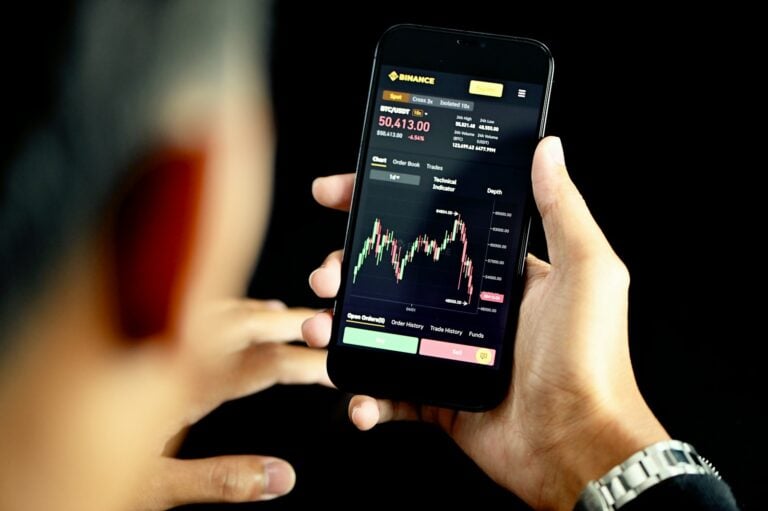
- Choose an Exchange: Select a reputable cryptocurrency exchange that supports the altcoins you want to invest in. Popular exchanges include Binance, Coinbase, and Kraken. Consider factors like fees, security, and user interface when choosing an exchange.
- Set Up a Wallet: Create a secure wallet to store your altcoins. Hardware wallets like Ledger and Trezor offer the highest level of security, while software wallets provide convenience and accessibility. Avoid storing large amounts of altcoins on exchanges, as they are more susceptible to hacking.
- Buy Altcoins: Once you have a wallet and an exchange account, you can buy altcoins using fiat currency or other cryptocurrencies. Most exchanges offer various payment methods, including bank transfers, credit cards, and debit cards.
- Diversify Your Portfolio: Diversifying your investment portfolio can help reduce risk. Consider investing in a mix of established and emerging altcoins to maximize your potential returns.
Risks of Investing in Altcoins
While altcoins offer potential rewards, they also come with risks:
- Volatility: Altcoins can be highly volatile, leading to significant price swings. This volatility can be both an opportunity and a risk, as prices can rise or fall rapidly.
- Regulatory Risks: Governments around the world are still developing regulations for cryptocurrencies, which can impact the value and usability of altcoins. Regulatory changes can lead to market uncertainty and price fluctuations.
- Security Risks: Altcoins are a target for hackers, and there have been several high-profile thefts from exchanges and wallets. It is crucial to use secure storage methods and follow best practices for cybersecurity.
- Market Manipulation: The cryptocurrency market is less regulated than traditional financial markets, making it more susceptible to market manipulation. This can lead to artificial price movements and increased risk for investors.
- Liquidity Risks: Some altcoins have low trading volumes, which can make it difficult to buy or sell them without affecting the price. Low liquidity can also lead to higher price volatility.
Common Mistakes to Avoid
When investing in altcoins, it’s essential to avoid common mistakes:
- FOMO (Fear of Missing Out): Avoid making impulsive investment decisions based on FOMO. Conduct thorough research and make informed decisions.
- Over-Investing: Do not invest more than you can afford to lose. Altcoin investing carries risks, and it’s important to have a diversified investment portfolio.
- Ignoring Security: Always prioritize security when storing your altcoins. Use strong passwords, two-factor authentication, and consider using hardware wallets for added security.
- Not Staying Informed: The cryptocurrency market is dynamic and constantly evolving. Stay informed about market trends, regulatory changes, and new developments in the crypto space.
Conclusion
Altcoins offer a wide range of features and investment opportunities beyond Bitcoin. By understanding their benefits, use cases, and how to invest in them, you can take advantage of the many opportunities altcoins offer. For more information on cryptocurrency investing, check out our guides on Bitcoin investing and Ethereum.
Frequently Asked Questions (FAQs)
What is the difference between altcoins and Bitcoin?
Altcoins are cryptocurrencies other than Bitcoin. They offer various features and use cases beyond Bitcoin, such as smart contracts, privacy, and interoperability. Bitcoin, on the other hand, is primarily used as a digital currency for peer-to-peer transactions.
How do I store altcoins securely?
To store altcoins securely, use a hardware wallet like Ledger or Trezor. These wallets provide the highest level of security. Alternatively, use software wallets with strong passwords and two-factor authentication. Avoid storing large amounts of altcoins on exchanges, as they are more susceptible to hacking.
What are the risks of investing in altcoins?
Investing in altcoins comes with risks such as volatility, regulatory uncertainty, security risks, market manipulation, and liquidity risks. It is essential to conduct thorough research and understand the potential risks before investing in altcoins.
How do I choose which altcoins to invest in?
When choosing altcoins to invest in, consider factors such as the project’s fundamentals, use cases, development activity, community support, and market trends. Look for altcoins with strong potential and a dedicated team behind them.