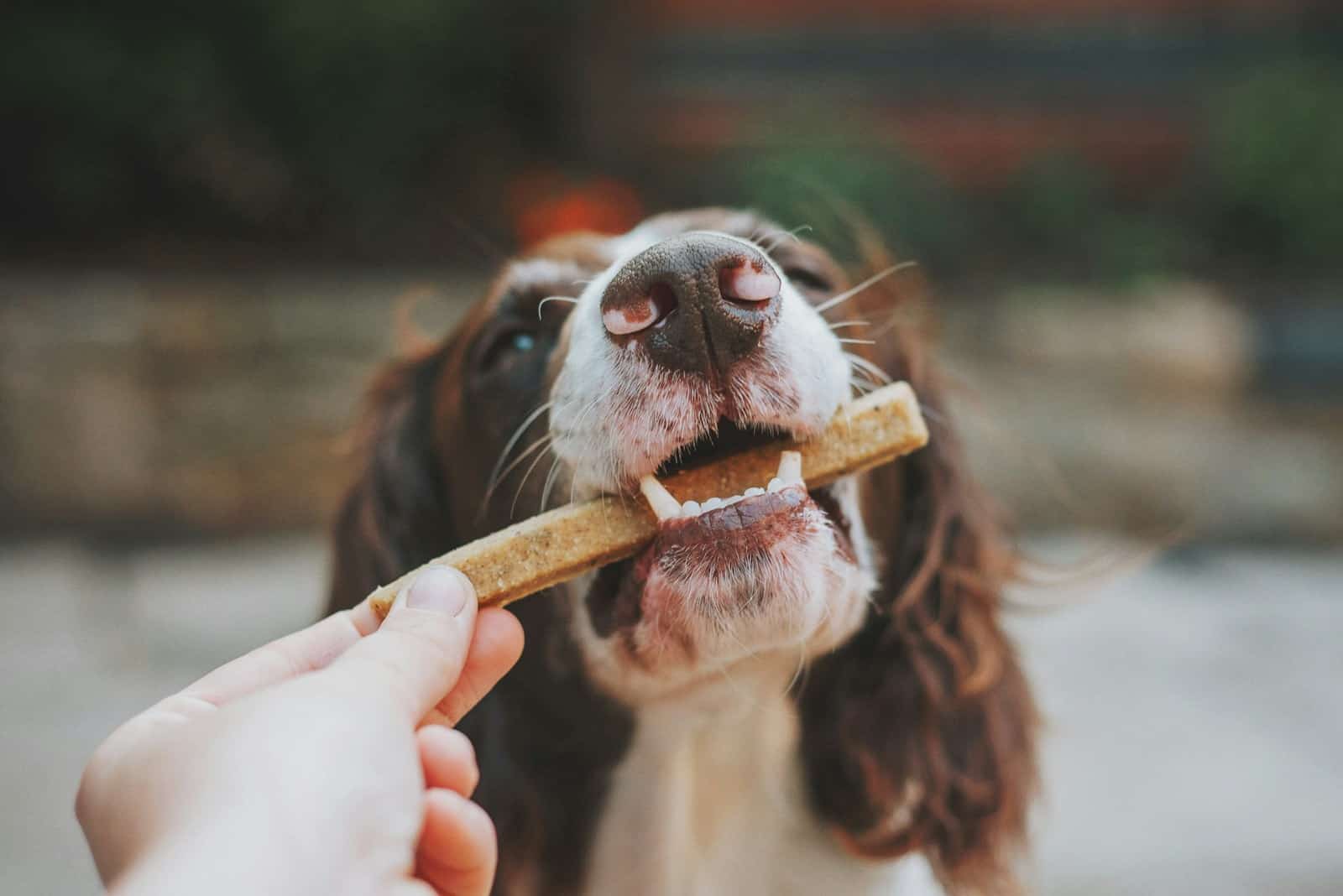
Transforming Your Dog’s Oral Health: Why Choosing the Right Care Matters
Introduction
A dog’s smile is more than just charming—it’s an essential indicator of their overall health. When your pup has clean teeth, fresh breath, and strong gums, it’s a sign that they’re thriving. Today’s pet owners have more choices than ever to maintain their dog’s dental health, from brushing and professional cleanings to newer alternatives like dental powders. In this article, we’ll explore the importance of canine dental care, break down common methods, and answer the question many dog owners ask: does dental powder work for dogs?
Why Dental Health Matters for Dogs
Dental hygiene is often neglected in dogs, even by well-meaning owners. Yet, just like in humans, poor oral health in dogs can lead to serious health concerns.
The Hidden Dangers of Poor Oral Hygiene
Many dogs begin to show signs of dental issues by age three. Plaque buildup hardens into tartar, leading to gingivitis, bad breath, and, eventually, periodontal disease. If left untreated, bacteria from the mouth can enter the bloodstream and damage vital organs like the liver, kidneys, and heart.
The Benefits of Good Oral Care
- Fresher breath that makes cuddling more pleasant
- Healthier gums that are less prone to bleeding and infection
- Stronger teeth for efficient chewing and digestion
- Lower veterinary costs due to fewer invasive cleanings and extractions
- Improved overall well-being and lifespan
Modern Solutions for Pet Dental Care
Modern pet owners are seeking more efficient, natural, and stress-free ways to support their dog’s oral health. This is where solutions like dental powders come in.
What to Look for in a Dental Solution
- Veterinarian-formulated or approved for safety and effectiveness
- Natural ingredients that support oral hygiene without harmful additives
- Convenient usage, such as powders that can be sprinkled on food
- All-breed suitability, ensuring both small and large dogs benefit
- Positive results, such as reduced plaque and better breath
Brushing vs Dental Powder vs Professional Cleaning
With so many options available, how do you choose what’s best for your dog? Let’s compare the most common dental care methods.
Traditional Brushing
Pros:
- Direct mechanical removal of plaque
- Effective when done consistently
Cons:
- Time-consuming
- Many dogs dislike it
- Requires daily or near-daily effort
Professional Cleaning
Pros:
- Comprehensive cleaning under anesthesia
- Thorough removal of tartar from above and below the gum line
Cons:
- Expensive
- Involves anesthesia, which carries risk
- Not a routine solution for all dogs
Dental Powder
Dental powder is an emerging favorite among pet owners who want an easy and non-invasive way to maintain their dog’s oral health.
But does it really work?
The answer is yes—when used consistently and as part of an overall dental routine. High-quality dental powders are formulated with natural ingredients like enzymes, kelp, or herbal extracts. These ingredients work together to soften plaque, neutralize bacteria, and freshen breath.
Does Dental Powder Work for Dogs?
This is a question many pet owners have. The idea of simply sprinkling powder onto a dog’s food and improving oral health sounds too good to be true. But many owners have reported noticeable results after adding dental powder to their dog’s routine.
What dental powder can help with:
- Reducing plaque and tartar buildup
- Freshening breath
- Supporting gum health
- Offering a convenient solution for dogs who resist brushing
It’s important to note that while dental powder can be a powerful tool, it works best when combined with other elements of dental care—like the occasional brushing, dental treats, or chew toys. It isn’t a magical fix, but it is a powerful supplement to an overall strategy.
The Benefits of Using Dental Powder
Convenience
One of the biggest advantages of dental powder is how easy it is to use. Unlike brushing or professional cleanings, it requires no struggle. Simply add it to your dog’s meal daily.
Natural Ingredients
Top-rated dental powders often use plant-based, non-toxic ingredients to fight bacteria and reduce plaque. This is a great alternative for pet parents who prefer to avoid synthetic additives or preservatives.
No Brushing Required
For owners whose dogs fight tooth brushing, this is a game-changer. You don’t have to wrestle your dog into accepting a toothbrush—just sprinkle the powder on their food.
Safe for All Ages
Most powders are designed to be safe for puppies and senior dogs alike. Whether your pup is just starting life or aging gracefully, dental powder can be adapted to suit their needs.
How to Introduce Dental Powder into Your Dog’s Routine
Making dental powder part of your dog’s life doesn’t have to be complicated. Here’s how to do it right:
- Start with a small amount: Some dogs need a few days to adjust to new smells or tastes.
- Mix it with food or water: Follow the product’s instructions for the best delivery method.
- Use it consistently: Daily application is key to seeing long-term results.
- Monitor results: Keep an eye on breath odor, gum condition, and plaque over time.
- Adjust as needed: You can increase or decrease the frequency depending on how your dog responds.
Common Myths About Dog Dental Care
Let’s address a few misconceptions that often confuse dog owners.
Myth 1: “Dry kibble cleans my dog’s teeth.”
While some dry foods are marketed as dental-friendly, kibble alone doesn’t do enough to prevent plaque or tartar buildup. Dogs need more comprehensive care.
Myth 2: “My dog’s breath is just bad naturally.”
Bad breath is usually a sign of bacteria buildup and potential gum disease—not something to be ignored or accepted.
Myth 3: “Only older dogs need dental care.”
Dental care should start young. The earlier you introduce a routine, the better your dog’s long-term oral health will be.
Creating the Ideal Dental Care Routine
Dental powder is most effective when paired with a complete care approach. Here’s how to build the ideal routine:
Daily
- Use dental powder during meals
- Provide safe dental chews or toys
- Offer fresh water at all times
Weekly
- Brush your dog’s teeth if they tolerate it
- Do a quick mouth check for redness or swelling
Monthly
- Assess your dog’s breath and plaque levels
- Trim any hair around the mouth that could trap food
Annually
- Schedule a dental exam with your vet
- Consider professional cleaning if recommended
Which Dogs Benefit Most from Dental Powder?
While all dogs can benefit, certain breeds and situations make dental powder especially useful:
- Small breeds, which are more prone to plaque buildup
- Senior dogs, who may not tolerate anesthesia well
- Rescue dogs, who may have unknown dental histories
- Dogs who dislike brushing, making alternatives a necessity
Even if your dog falls outside these categories, dental powder offers peace of mind that you’re doing something proactive every day.
How to Tell If It’s Working
You won’t see instant results, but over the course of a few weeks, you should notice:
- Fresher breath
- Less visible plaque
- Reduced gum redness
- Better appetite and mood (as oral pain subsides)
Consistency and patience are key. Like any wellness routine, results improve the longer you stick with it.
Final Thoughts
Dog dental health is more than just an aesthetic concern—it directly impacts your pet’s comfort, happiness, and longevity. While brushing and vet cleanings still have their place, dental powder offers an easy, effective, and natural way to support your dog’s oral hygiene on a daily basis.
So, does dental powder work for dogs? Yes, especially when used consistently and combined with other good habits. It’s a convenient and low-stress option for pet parents who want to take better care of their dog’s teeth without the daily battle of brushing.