The Magic of “Tung Tung Tung Sahur”: A Cultural Wake-Up Call
Tung tung tung sahur is more than just a wake-up call —it’s a soulful echo of tradition, community, and spirituality that continues to thrive in many parts of Indonesia and beyond. With its rhythmic drumbeat and heartfelt shout, this cultural practice serves not only as a reminder to eat before dawn but also as a symbol of togetherness and faith.
In this article, we’ll explore the rich meaning behind “tung tung tung sahur,” its historical roots, how it’s celebrated today, and why it remains relevant in the age of smartphones and digital alarms. Get ready to dive into the sounds, stories, and sentiments behind one of Ramadan’s most beloved customs.
What Is “Tung Tung Tung Sahur”?
The phrase “tung tung tung sahur” is commonly heard before dawn during Ramadan in many Indonesian neighborhoods. It refers to the chant accompanied by the beating of drums or traditional instruments, performed to wake people up for sahur, the pre-dawn meal before fasting begins.
This wake-up ritual is often carried out by young people or community volunteers who walk through neighborhoods, playing drums, bamboo sticks, or homemade percussion instruments while chanting the phrase loudly. The goal is to ensure no one oversleeps and misses sahur.
The Origin and Cultural Significance
Long before the invention of smartphones and alarm clocks, communities relied on human reminders. In Islamic tradition, the call to sahur is significant because eating before the fast helps sustain energy throughout the day.
In Indonesia, this practical need was met with cultural creativity. People began organizing patroli sahur (sahur patrols), and over time, these evolved into lively performances filled with drumbeats and chants. The rhythmic call “tung tung tung sahur” became iconic—simple, effective, and full of spirit.
It’s not just a functional reminder; it’s an act of togetherness. Walking through sleepy streets, drumming with friends, and calling out to neighbors builds a sense of community during a spiritually important month.
Instruments Used in “Tung Tung Tung Sahur” Patrols
One of the most exciting aspects of tung tung tung sahur traditions is the creativity behind the instruments used. These are not professional musical performances, but rather grassroots efforts using whatever is available:
- Kentongan: Hollow bamboo tubes struck to create a deep sound.
- Drums: Often repurposed barrels or plastic containers.
- Cooking pots: Upside-down pans and ladles used to produce sharp metallic beats.
- Tambourines: Common in more musical neighborhoods.
This diversity adds charm and character to each neighborhood’s sahur call. No two sound exactly the same, making every experience unique and memorable.
Sahur Patrols as a Rite of Passage
For many young people in Indonesia, joining a tung tung tung sahur patrol is a rite of passage. It’s a time when children and teenagers are allowed to roam the streets at night—something usually discouraged—under the excuse of religious duty.
They form groups, assign roles (drummers, callers, route planners), and often rehearse to get their rhythm right. It’s a mix of religious observance, youthful fun, and civic participation.
Parents may prepare snacks for the returning group, neighbors wave from their porches, and elders sometimes join in, adding wisdom and rhythm to the beat.
Local Competitions and Performances
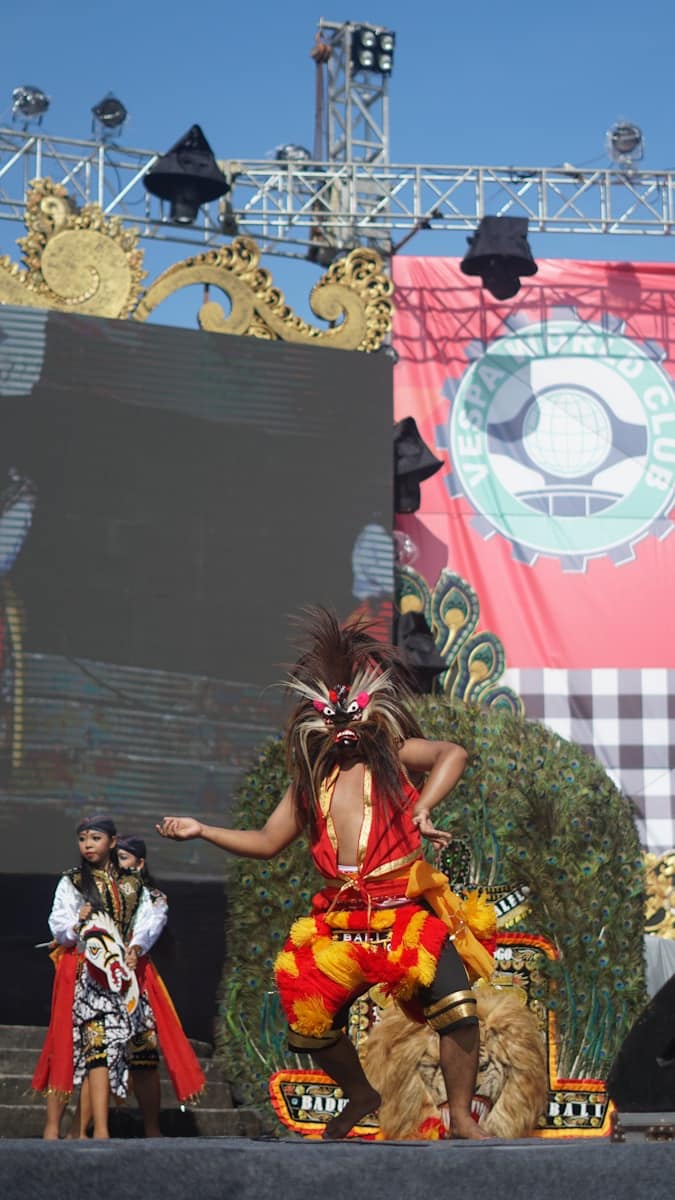
In recent years, many towns and districts have taken the tradition of tung tung tung sahur even further by organizing local competitions. These events encourage creativity and participation through:
- Best rhythm or drumline
- Most enthusiastic chant
- Most creative instrument
- Best costume or uniform
Such contests elevate the practice from a simple patrol to a community event, where teams from different neighborhoods showcase their spirit and musicality.
The essence remains the same: to wake people up for sahur. But the execution can become quite elaborate, even including choreographed dances or mini parades.
Technology vs Tradition: Is It Still Relevant?
In a time where nearly everyone owns a smartphone with alarms and reminders, you might wonder: is tung tung tung sahur still necessary?
The answer is a resounding yes—for reasons that go beyond utility.
- Cultural preservation: It keeps tradition alive and passes it on to younger generations.
- Community bonding: It promotes togetherness during a spiritually important time.
- Joyful noise: It adds life, sound, and celebration to the early hours of Ramadan.
Even in urban neighborhoods where fewer patrols exist, people often reminisce about the sound of tung tung tung sahur from their childhoods, revealing the deep emotional connection to this ritual.
Social Media and the Global Reach
Thanks to platforms like TikTok, Instagram, and YouTube, tung tung tung sahur has gained international visibility. Videos of kids marching through villages, adults dancing to drum beats, and creative instrument setups have gone viral.
Many content creators now incorporate the chant into short skits, Ramadan-themed content, and even music remixes. While this modern exposure might transform the style, it also ensures that the tradition survives and evolves with time.
What once was a purely local custom is now a global cultural touchpoint during Ramadan.
Challenges and Criticisms
While beloved by many, the tung tung tung sahur tradition isn’t without criticism. Some common concerns include:
- Noise complaints: Not everyone appreciates being woken up by loud drums, especially the elderly or those not observing the fast.
- Disturbing babies or sick people: Families with small children or health issues may find the sound disruptive.
- Property damage or vandalism: Overenthusiastic patrols occasionally cross the line from joyful to rowdy.
To maintain the balance between tradition and respect, many communities have introduced guidelines:
- Avoiding high volume near hospitals or known sensitive areas.
- Limiting patrols to certain hours.
- Encouraging responsible behavior through local youth groups or religious leaders.
How to Start a “Tung Tung Tung Sahur” Patrol in Your Area
If your neighborhood doesn’t already have a sahur patrol, it’s easy to start one with a few steps:
- Gather a group: Friends, siblings, or neighbors willing to wake up early and have fun.
- Plan a route: Map streets where you won’t cause too much disturbance.
- Collect instruments: Use household items like pans, bottles, or plastic buckets.
- Set ground rules: Be respectful, avoid shouting near sensitive areas, and maintain safety.
- Practice your rhythm: A simple beat and the chant “tung tung tung sahur” is enough!
- Coordinate with local leaders: Inform local community heads or mosque leaders to gain support and avoid misunderstandings.
The Spiritual Side of “Tung Tung Tung Sahur”
While the practice can be playful and noisy, its roots are deeply spiritual. Waking up for sahur is considered a blessed act in Islam. The Prophet Muhammad (PBUH) emphasized the importance of eating before dawn, even if it’s just a sip of water.
By ensuring the community doesn’t miss this moment, the people shouting tung tung tung sahur are part of a chain of blessings—reminding others to prepare, pray, and connect with their faith before beginning the daily fast.
There’s also a deeper reward in helping others fulfill their religious obligations. In that sense, even the smallest child banging on a pot at dawn contributes to the collective good.
A Sound That Echoes Through Generations
Ask any Indonesian adult about tung tung tung sahur, and you’re likely to trigger fond memories of simpler times. The chant is not just a sound—it’s a feeling. A moment before dawn when sleepy eyes blink open, families gather at the table, and a sense of quiet excitement fills the air.
It represents:
- Nostalgia: A throwback to childhood mornings during Ramadan.
- Togetherness: A reminder that the whole community is fasting together.
- Faith in action: A call to begin the day with purpose and devotion.
The fact that such a simple phrase—three syllables repeated—can carry so much meaning is a testament to the power of cultural expression.
Keeping the Tradition Alive
If you grew up hearing tung tung tung sahur, consider passing it on. Invite your children to join the next patrol. Share videos online. Encourage local youth groups to keep the beat going.
If you’re new to the tradition, embrace it with an open heart. Maybe start small with your own family, or support a group that already exists.
Culture only survives when people participate in it, celebrate it, and protect it from fading away.
Final Thoughts
Tung tung tung sahur may seem like a simple chant, but it’s so much more. It’s the sound of faith, community, celebration, and compassion rolled into a rhythm that wakes not just the body, but the soul.
As long as the streets echo with this joyful noise during Ramadan, the spirit of tradition will live on—one drumbeat at a time.