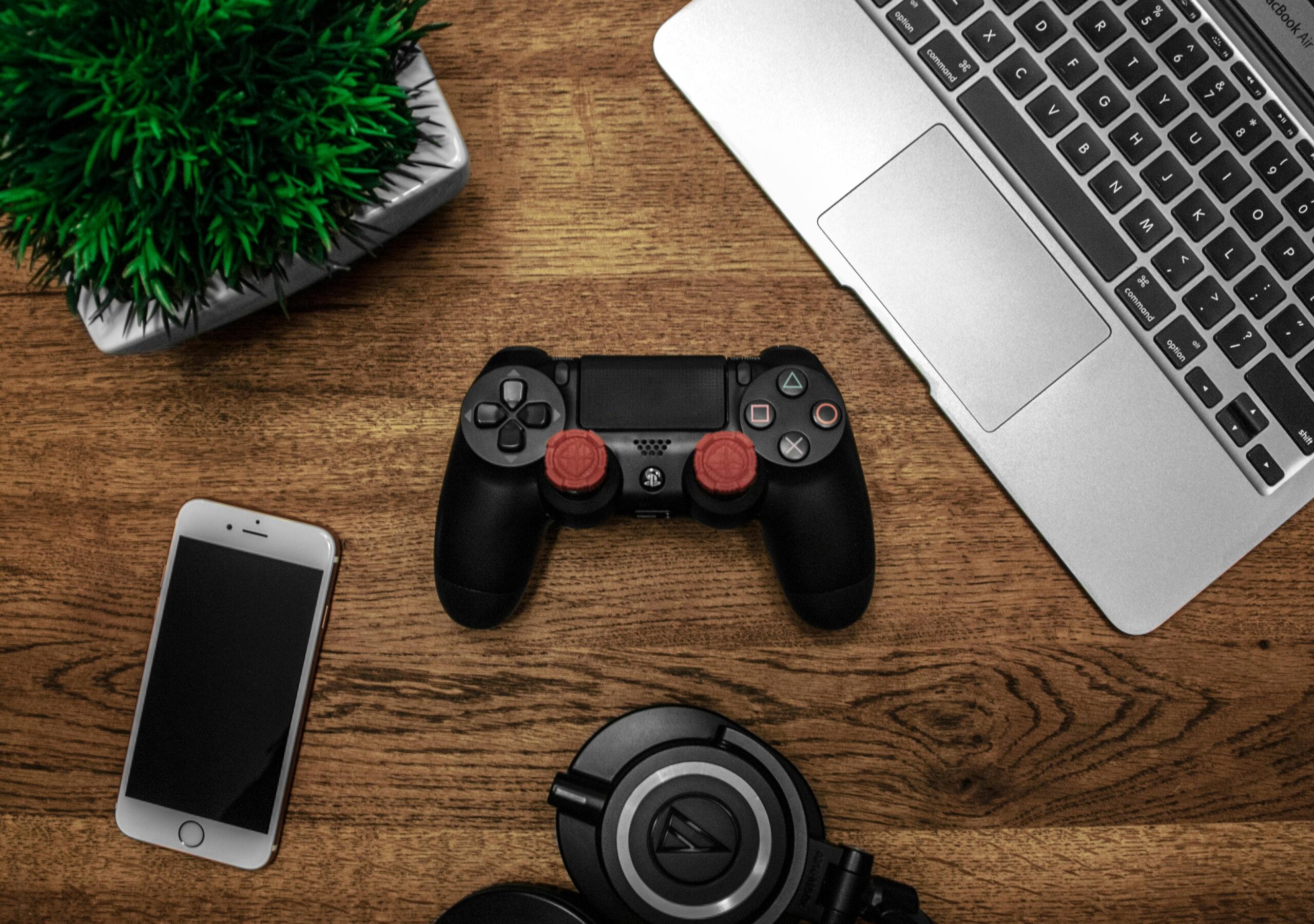
How Game Mechanics Are Shaping the Future of Digital Product Design
Think back to racing through Super Mario Bros. levels or chasing high scores in Pac-Man. Those games grabbed us with simple, satisfying challenges. Today, that same pull is reshaping how apps and tools are built.
In 2024, 76 percent of U.S. adults played video games, setting a new standard for what people expect from digital experiences: quick feedback, clear goals, and a touch of fun. From phone apps to workplace software, game-like ideas are making everyday tasks feel engaging.
Whether it’s learning a language or tracking habits, users want interfaces that spark joy like a well-designed game. This shift is changing design across fields like education, finance, and wellness.
Let’s find out more about how game mechanics affect product design.
What Game Mechanics Teach Us About User Engagement
Game mechanics offer invaluable insight into how digital products need to be designed.
They are the gears that make games click, and they’re now driving digital products. According to a study, gamification is an effective way to make digital behavior changes easier.
Feedback loops, like a cheerful “great job” after a task, keep users motivated. Progress systems, like the animation of filling a bar or hitting a milestone, give a sense of moving forward.
Personalization, like tweaking difficulty to match skill, makes things feel just right. Rewards, such as badges or streaks, add excitement, as seen in apps like Duolingo.
These ideas work beyond games. Education apps nudge students through lessons with progress bars. Finance tools cheer consistent saving with virtual stars. Productivity apps like Todoist use streaks to spark daily check-ins. Wellness platforms turn steps or meditation into mini-challenges. By borrowing these mechanics, designers craft products that feel rewarding and pull users back for more.
Game Mechanics in Everyday Apps
Game mechanics are slipping into all kinds of digital products, making routine tasks feel like play. Progress bars, a staple in games, show up in learning apps, filling up as users complete lessons to give a clear sense of advancement. This increases employee engagement, which is only at 15 percent as of 2023.
Leaderboards spark friendly competition, like in fitness apps where users compare daily steps or workout streaks. Point systems, similar to scoring in games, reward actions like saving money in budgeting tools or checking off tasks in productivity apps.
Quests, inspired by role-playing games, turn chores into adventures, like tracking daily habits as “missions” with virtual rewards. Unlockable content, like new features or badges, keeps users engaged by offering something to earn, much like unlocking levels in a game.
These mechanics make actions like studying or budgeting feel less like work and more like a satisfying challenge, driving users to stick with the app.
The Line Between Engagement and Overuse
Game mechanics can draw users in too deeply. Features like constant rewards or time-sensitive challenges, common in games, can lead to too much screen time. In 2024, 40 percent of U.S. teens gamed daily, raising worries about compulsive habits. These tactics, when overdone, show up in apps that prioritize time spent over user well-being.
The issue is serious enough to spark legal debates, like the ongoing video game addiction lawsuit, which questions how reward-driven designs affect younger users. This addiction has caused mental and physical harm to players.
TorHoerman Law notes that many modern game mechanics exploit psychological vulnerabilities that encourage overuse, much like gambling.
While gamification boosts interaction, it can slip into manipulation if not handled carefully. Ethical design is now a key focus to protect users, especially kids.
What Product Designers Can Learn, and Avoid
Designers can use game mechanics thoughtfully to build better products. Showing progress clearly, like a completed taskbar, motivates without misleading. Testing for user satisfaction, not just time spent, ensures products feel good to use.
Practical steps make a difference. Set clear goals that don’t punish taking breaks, like flexible streaks in habit apps. Offer rewards that feel earned, not random, to build trust.
Check user feedback often to catch frustration early. By focusing on fair, satisfying systems, designers can use gaming’s strengths without falling into traps that harm users.
The Future of UX Is Playable
Digital product design is starting to feel like game creation, with user behavior at its core. With a market of $230 billion, the gaming industry shows how mechanics can shape engaging experiences.
Designers need to think like game creators, building interfaces that draw users in while respecting their time and well-being. By crafting products that balance fun with responsibility, designers can create digital experiences that users trust and stick with for the long run.