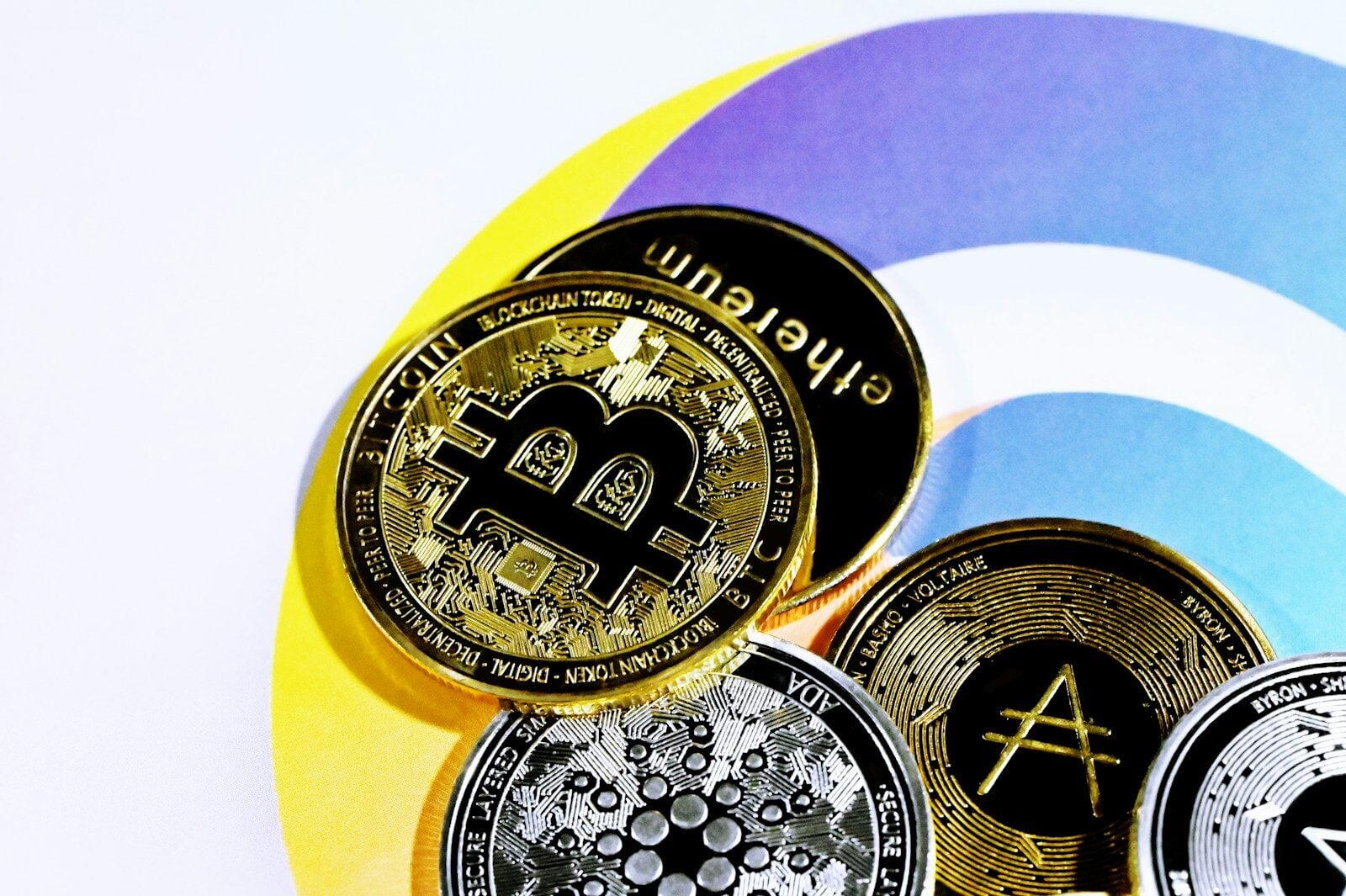
Buy crypto no kyc: Routes, Fees, and Privacy Basics
Buy crypto no kyc? The workable route depends on whether the buyer has dollars to spend or cryptocurrency to swap, and whether a service permits that transaction without an ID upload. Peer-to-peer sellers and cash-based purchases can provide an entry point; decentralized exchanges generally require crypto already in a wallet. Those differences matter more than an “anonymous” label on a landing page.
Field note 1: “Buy crypto no kyc” starts with the funding source
A buyer holding dollars in a checking account has a different problem from someone holding USDC. The first needs a seller or service that accepts dollars; the second needs a trading route between assets. A swap interface doesn’t solve the first problem merely because it connects without asking for identification.
Consider an illustrative buyer with $300 in a bank account and an empty crypto wallet. A decentralized exchange offering a USDC-to-ETH trade is unusable until that wallet receives the required assets, including any token needed for network fees. A “buy” button may redirect to a separate payment provider with its own verification rules.
The useful first filter is therefore the asset accepted at the entrance, not the asset advertised at the exit. Bank payments, cash, and existing crypto lead to different counterparties, records, and costs.
A route that requires crypto upfront is a swap route, not a first purchase with dollars.
Spending products belong in another category altogether. Alongside direct merchant payments and other card services, WaldenPay’s crypto virtual card illustrates the later spending step: supported cryptocurrency becomes card balance when loaded, rather than dollars becoming cryptocurrency.
That distinction prevents a common detour. A search result can describe a useful financial tool while still answering the wrong transaction.
Field note 2: P2P escrow protects a trade, not every decision around it
For someone starting with dollars, peer-to-peer crypto trading can connect the buyer with a seller accepting an available payment method. Platform eligibility, seller conditions, and payment-provider rules remain separate checks. A listing without an ID requirement doesn’t establish that the entire process avoids verification.
“Buy crypto no kyc” is a poor reason to accept weaker payment protection. The important questions are whether the seller’s crypto is actually locked, who controls its release, and what evidence a dispute process accepts.
In an illustrative $300 purchase, the buyer opens a marketplace order and sees the seller request payment through a different messaging app. The seller then asks for the marketplace order to be canceled because “escrow is slow.” That request removes the transaction from the process intended to protect it.
The safer sequence keeps the order active, confirms escrow funding, follows the listed payment instructions, and preserves payment evidence. An unexpected recipient name or changed account details deserves resolution inside the marketplace before money moves.
Escrow arrangements vary: some involve a platform custodian, while others use different technical controls. Even well-designed escrow can’t make a separate bank payment invisible or guarantee that every dispute ends favorably.
Counterparty coordination is part of the cost. Payment windows, seller availability, withdrawal conditions, and the buyer’s ability to secure the receiving wallet all affect whether a seemingly attractive offer is practical.
Field note 3: A “Buy crypto no kyc” DEX result usually assumes existing crypto
A decentralized exchange typically trades assets from a connected wallet through smart contracts. That reduces reliance on a conventional exchange account, but it replaces account-level decisions with wallet permissions, contract interactions, and execution settings.
For example, an illustrative holder of $200 in USDC on Ethereum might want ETH. The holder must confirm that the interface supports that network and understand how the transaction’s network fee will be paid. USDC on another network isn’t automatically available to the same trading contract.
For an existing holder, “Buy crypto no kyc” may therefore describe a swap, not a dollar purchase. The distinction becomes especially important when moving between networks requires an additional bridge or transfer, with another fee and another technical dependency.
A quoted exchange rate is only part of the comparison. Pool fees, network charges, price impact, and the minimum amount received can change the result. An unlimited token approval also creates a different exposure from approving only the amount needed for a trade.
Instant-swap services deserve separate inspection. A service may advertise wallet-to-wallet delivery while still requiring a deposit that it controls during processing; “non-custodial” marketing shouldn’t substitute for reading the transaction flow.
And access to a protocol doesn’t establish access to every website presenting it. Geographic and IP-based restrictions can apply to DEX front ends independently of identification requirements, so U.S. access needs its own check.
Field note 4: Cash changes the payment trail, but adds physical friction
Cash-funded Bitcoin ATMs and in-person trades appear in discussions of how to buy Bitcoin without ID because they can start with physical dollars. Neither category has a universal verification policy. An operator’s requirements may change with location, transaction size, or the circumstances of the purchase.
A hypothetical ATM buyer might reach the machine expecting a cash-only interaction, then encounter a phone-number request or identity check. The sensible comparison happens before cash enters the machine: required information, limits, the quoted crypto amount, and the receiving network.
An ATM listing under “Buy crypto no kyc” shouldn’t be treated as confirmation of its current operating policy. The operator’s current instructions and the machine’s transaction screen carry more weight than an old directory entry.
In-person purchases introduce another set of concerns: personal safety, counterfeit payment risk for the seller, and uncertainty over whether the crypto has actually arrived. A screenshot of a transfer isn’t the same as checking the receiving wallet and transaction status.
A public meeting location may reduce some physical risks, but it doesn’t settle payment disputes or validate a wallet address. Pressure to hurry, a last-minute venue change, or demands for an advance deposit are reasons to stop.
Cash can avoid a bank-transfer record for that payment. It doesn’t erase the blockchain transfer, messages arranging the meeting, or records held by an ATM operator.
Field note 5: Skipping an ID upload doesn’t erase account links
Identity checks are one source of personal data, not the only source. A bank transfer can reveal account information to a counterparty, while a public blockchain records transfers between addresses. A service may also retain contact details, connection logs, support conversations, or order history.
The practical meaning of “Buy crypto no kyc” is therefore narrower than “buy anonymously.” A buyer may avoid uploading an identity document and still create records that connect a payment, an order, and a wallet address.
Consider a freelancer who publicly posts a wallet address for payments and later uses that address for a purchase. Skipping verification at the trading interface doesn’t remove the existing public association. Address reuse can make separate activities easier to connect.
Crypto wallet privacy starts with understanding those connections. A wallet provider’s data practices, the permissions granted to websites, and the addresses shared publicly deserve attention alongside the exchange’s signup form.
A proxy or VPN changes aspects of the connection path; it doesn’t delete banking records or blockchain history. Nor does it establish eligibility where a service restricts U.S. users.
Mobile security matters here, too. A counterfeit wallet app or fake support agent requesting a recovery phrase can turn a privacy-conscious purchase into a complete loss of funds.
The useful goal is reducing unnecessary disclosure while preserving a secure transaction, rather than assuming that one missing form makes the whole route untraceable.
Field note 6: The delivered amount and withdrawal rules decide the real deal
A comparison built around “Buy crypto no kyc” should rank usable proceeds, not registration speed. An exchange that accepts a deposit before requiring identification for withdrawal may delay verification rather than eliminate it. Low initial limits don’t settle what happens later.
Consider an illustrative P2P quote: a $300 payment delivers crypto worth $285 at the same comparison price and moment. The $15 difference is 5% of the cash paid, before any additional transfer cost. A competing offer with an explicit fee could still deliver more.
For swaps, the equivalent comparison uses the final amount received after execution and transfer costs. A tiny advertised trading fee says little if network charges or price impact dominate the transaction.
A short pre-payment checklist keeps the comparison grounded:
- Confirm access: Check current U.S. and state eligibility for the service and selected payment method.
- Read verification triggers: Inspect purchase, deposit, withdrawal, and dispute requirements, including conditional document requests.
- Record the full quote: Note dollars paid, crypto delivered, network, quote expiration, and any separate withdrawal charge.
- Check control and recourse: Identify who holds funds during processing and how failed or disputed transactions are handled.
These checks belong before funding, not after an account balance appears. Current official policies and the actual transaction screen are stronger evidence than a comparison page calling a service a no KYC crypto exchange.
If a required condition remains unclear, the quote isn’t ready to compare.
Field note 7: Spending after purchase creates a separate cost decision
Once crypto reaches the wallet, direct merchant payments and crypto-funded cards become relevant. Readers considering a card can use WaldenPay’s no KYC crypto card guide to examine setup requirements and provider warning signs without mistaking a spending product for a purchase route.
Its virtual card supports funding with 135+ cryptocurrencies across 35+ networks, converting deposits to card balance at loading time. Published costs include a $10 one-time issue fee, a $50 minimum top-up, no monthly maintenance fee, and top-up fees starting at 5%, declining automatically to 3% with qualifying rolling 30-day card spend.
Those are later card costs, not the cost of acquiring crypto. For example, someone buying coins solely to fund a card needs to compare both stages against paying the merchant directly.
| Route | Starting funds | Main check |
|---|---|---|
| P2P marketplace | Dollars or cash | Escrow and payment exposure |
| DEX | Existing crypto | Network, permissions, execution |
| Instant swap | Existing crypto | Deposit control and conditions |
| ATM or cash meeting | Cash | Verification, quote, physical safety |
| Tiered exchange | Accepted funding | Conditional withdrawal verification |
| Crypto-funded card | Existing crypto | Spending and loading costs |
Before acting on a “Buy crypto no kyc” result, the buyer’s next step is to save one eligible provider’s complete quote, including verification conditions and the exact amount reaching the destination wallet.