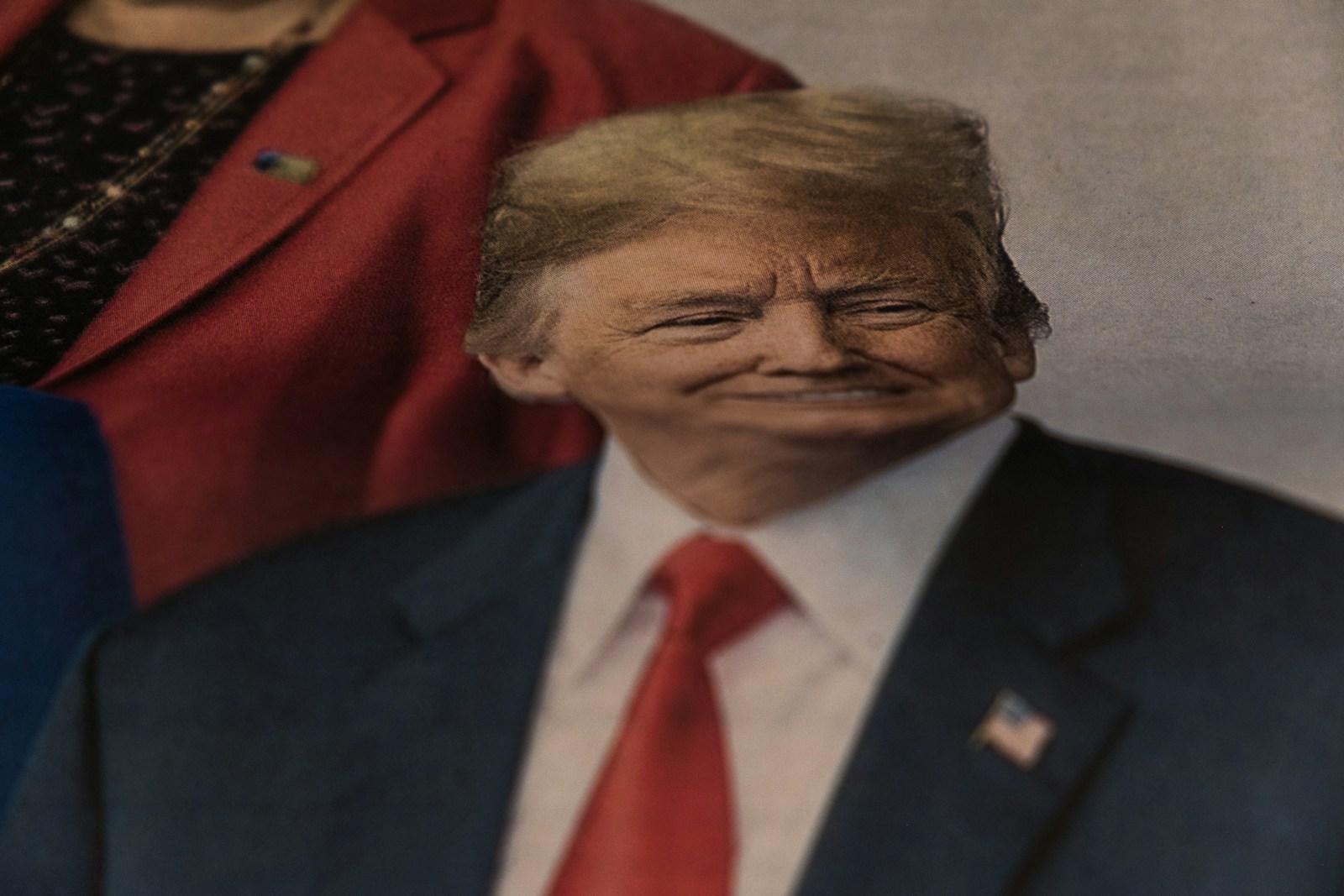
Trump’s Crypto Summit: A Pivot Toward Digital Assets
In the ever-evolving landscape of cryptocurrency, former President Donald Trump has emerged as an unlikely champion, marking a significant shift from his initial skepticism to a more embracing stance. This transformation culminated in the highly anticipated Crypto Summit at the White House on March 7, 2025, an event that underscored Trump’s strategic pivot toward the digital asset sector.
From Skeptic to Advocate
Trump’s journey with cryptocurrency has been one of evolution and adaptation. During his first term, he famously dismissed cryptocurrencies as “not money” and even labeled Bitcoin a “scam.” However, as the 2024 election season approached, Trump’s rhetoric began to shift. He started to align himself more closely with the crypto community, recognizing the potential political capital and economic opportunities within the burgeoning industry.
This shift was evident in his public statements and policy proposals. Trump promised to streamline regulations, appoint crypto-friendly figures to oversee the sector, and even floated the idea of establishing a Bitcoin stockpile. These moves were seen as a stark departure from the stringent regulatory approach of the Biden administration, which had been grappling with the fallout from high-profile crypto scandals like the collapse of FTX.
The Crypto Summit: A Gathering of Industry Titans
The Crypto Summit, held at the White House, was a testament to Trump’s newfound commitment to the digital asset space. The event brought together prominent founders, CEOs, and investors from the crypto industry, as well as members of the president’s Working Group on Digital Assets. Led by venture capitalist and White House crypto czar David Sacks, the summit aimed to foster dialogue and collaboration between industry leaders and policymakers.
The summit’s agenda included discussions on the future of cryptocurrency regulations, the potential for a stablecoin framework, and the establishment of a clear regulatory environment that would encourage innovation while protecting investors. Trump’s address at the gathering reaffirmed his administration’s commitment to providing a clear regulatory framework, enabling innovation, and protecting economic liberty.
Fundraising and Political Strategy
Trump’s embrace of cryptocurrency has also extended to his political fundraising efforts. An organizer behind a crypto conference that Trump attended planned to hold a $15 million fundraiser for his reelection campaign. This event was scheduled to take place after the Republican National Convention, where Trump was expected to be nominated as the party’s presidential candidate.
The fundraising efforts highlighted Trump’s strategic use of the crypto community to bolster his political ambitions. By accepting donations in various cryptocurrencies, including Bitcoin, Ether, Dogecoin, and Solana, Trump’s campaign sought to engage with a tech-savvy and financially forward-thinking demographic.
The Impact on the Crypto Market
Trump’s policies and public statements have had a tangible impact on the crypto market. His administration’s embrace of the industry has been seen as a departure from the tough regulatory approach of the previous administration. However, recent tariff threats and scandals in the crypto sector have shaken investor confidence, leading to volatility in the market.
The value of Bitcoin and other cryptocurrencies has fluctuated in response to Trump’s actions and the broader geopolitical climate. While his support for the industry has been seen as a positive development, the uncertainty surrounding his policies has contributed to market volatility.
Meme Coins and Crypto Investments
Trump and his family have also ventured into the world of meme coins, launching $TRUMP and $MELANIA to capitalize on the crypto trend. These coins were initially met with enthusiasm, but their prices quickly collapsed, raising questions about their long-term viability and the potential risks associated with celebrity-backed cryptocurrencies.
Regulatory Framework and Industry Controversies
Trump’s administration has been working on providing a clear regulatory framework for the crypto industry. This includes the creation of a working group to advise on digital asset policy and the potential establishment of a Bitcoin stockpile. However, the industry has also faced significant challenges, including major hacks and the collapse of crypto platforms like FTX.
The administration’s efforts to promote a more favorable regulatory environment have been met with both optimism and skepticism. While some industry leaders have welcomed the potential for greater clarity and support, others have expressed concerns about the potential for regulatory overreach and the impact on innovation.
Elon Musk’s Involvement
Elon Musk, a top donor to Trump’s campaign, has been involved in the administration’s efforts to overhaul the federal government and reduce spending. Musk’s Department of Government Efficiency (DOGE) has been tasked with firing thousands of federal workers and implementing cost-cutting measures. Musk’s influence within the administration has been seen as a reflection of Trump’s commitment to streamlining government operations and promoting efficiency.
Conclusion
Trump’s Crypto Summit and his evolving stance on digital assets mark a significant shift in the political landscape surrounding cryptocurrency. As the industry continues to grapple with regulatory challenges and market volatility, Trump’s administration has positioned itself as a potential ally, seeking to foster innovation and economic growth within the sector.
However, the long-term impact of Trump’s policies and the sustainability of his support for the crypto industry remain to be seen. As the political and economic landscape continues to evolve, the crypto community will be watching closely to see how Trump’s administration navigates the complexities of the digital asset space.
For now, the Crypto Summit serves as a symbol of Trump’s commitment to engaging with the crypto industry and his recognition of the potential benefits it can bring to the U.S. economy. Whether this commitment will translate into lasting policy changes and industry growth remains an open question, but one that will undoubtedly shape the future of cryptocurrency in the years to come.