Is There a Physical Bitcoin? The Truth Behind the Tangible Crypto Myth
Summary
Is there a physical Bitcoin? It’s a question many newcomers to cryptocurrency ask, often expecting something tangible to match the digital hype. While Bitcoin is purely digital by design, the idea of physical Bitcoins does exist in certain forms. In this article, we’ll explore what physical Bitcoins are, how they came about, their legitimacy, and whether you can use them like real cryptocurrency.
Introduction: Is There a Physical Bitcoin?
“Is there a physical Bitcoin?” That’s a common question asked by curious investors, crypto skeptics, and collectors alike. With traditional currencies, physical coins and bills are a given. But Bitcoin—born from a blockchain and powered by cryptographic keys—is a different kind of beast. It’s a digital asset with no inherent physical form. So, where did the idea of a “physical Bitcoin” come from? And can such an object ever truly represent actual Bitcoin?
Let’s unravel the concept.
What Is Bitcoin, Really?
To understand whether there can be a physical Bitcoin, we first need to revisit what Bitcoin is:
- Digital Currency: Bitcoin is a decentralized digital currency created by the anonymous developer Satoshi Nakamoto in 2009.
- Blockchain-Based: All Bitcoin transactions are verified and recorded on a public ledger known as the blockchain.
- No Physical Form: Bitcoin exists only as data—lines of code and digital signatures.
So in its purest form, Bitcoin is intangible. But that hasn’t stopped people from trying to make it “real.”
The Rise of Physical Bitcoins
The Casascius Coin
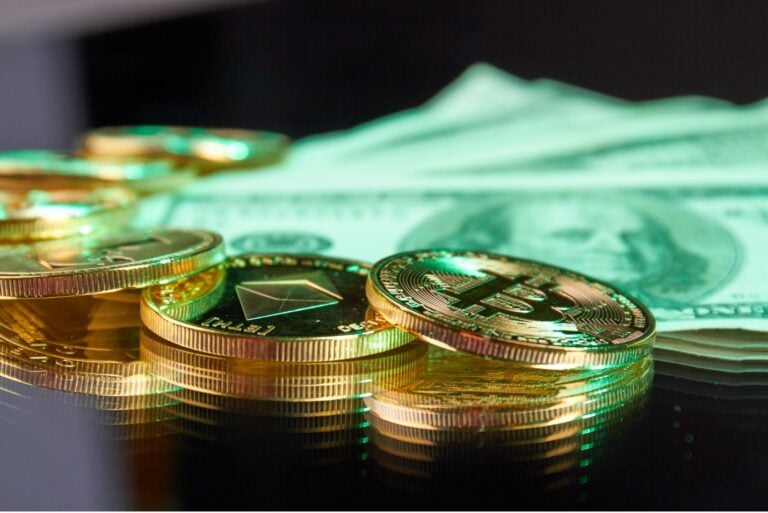
The most well-known attempt to make Bitcoin tangible is the Casascius Coin, created by Mike Caldwell in 2011. These coins looked like shiny gold tokens with a hologram on one side. But they were more than novelty items—they contained actual Bitcoin value.
- Private Keys Embedded: Each coin held a private key concealed under a tamper-evident hologram.
- Different Denominations: Coins came in denominations like 1 BTC, 5 BTC, and 25 BTC.
- Redeemable: Owners could peel the hologram to access the private key and move the Bitcoin.
These were true physical Bitcoins—at least in the sense that they had redeemable value. But they came with risk: if the hologram was tampered with, the BTC could be stolen or considered spent.
Why Were Casascius Coins Discontinued?
In 2013, the U.S. Financial Crimes Enforcement Network (FinCEN) issued a warning that Caldwell might be operating an unlicensed money transmission business. As a result, he stopped selling loaded physical Bitcoins.
Modern Physical Bitcoin: Just a Souvenir?
Today, many “physical Bitcoins” exist as novelty collectibles rather than true cryptocurrency wallets.
- No Bitcoin Inside: Most modern physical coins are decorative. They contain no redeemable value.
- Available on Marketplaces: You can find them on Amazon, eBay, and crypto merch stores.
- Used for Promotion: Some businesses use physical Bitcoins to market blockchain education or introduce the concept visually.
So, is there a physical Bitcoin in use today that holds real Bitcoin? Not commonly. Most are symbolic.
Can You Spend a Physical Bitcoin?
Let’s assume you have one of the rare Casascius coins with BTC loaded inside. Can you use it to buy coffee or pay a bill?
Here’s the catch:
- Spending Requires Digital Access: You must import the private key into a digital wallet.
- Once Spent, It’s Gone: Once you redeem the Bitcoin, the coin becomes just a token.
- No Real-World Integration: Merchants don’t have machines to “scan” physical coins. It’s not like tapping a debit card.
So even if you have a physical Bitcoin that contains actual BTC, it can’t function like cash. It’s still tied to digital systems.
Are Physical Bitcoins Legal?
There are no specific laws banning physical Bitcoin as a concept, but laws apply depending on:
- Country of Residence: Laws around cryptocurrency vary widely. Some countries ban crypto altogether.
- Use Case: If you’re minting physical Bitcoins with real BTC, you may be considered a money transmitter, which requires licensing.
For collectors or companies selling symbolic coins, it’s generally legal. For those embedding real BTC, it’s more complicated.
Risks of Physical Bitcoin
If you’re wondering is there a physical Bitcoin worth owning, consider the following risks:
1. Security Concerns
Coins containing private keys can be easily compromised if:
- The hologram is tampered with.
- Someone copies the private key.
- They’re stolen physically.
2. Loss or Damage
Unlike cloud wallets that can be backed up, a lost or damaged physical coin may lead to permanent loss of the embedded BTC.
3. Counterfeits
Rare Casascius coins can fetch high prices from collectors. This has led to:
- Fake coins being sold online.
- Misleading listings pretending to hold BTC.
Always verify the authenticity of collectible physical Bitcoins.
Why People Still Love Physical Bitcoins
Despite their impracticality, there’s a certain allure to owning a physical Bitcoin:
- Tangible Symbol of Digital Wealth: For a virtual concept, having something you can hold feels meaningful.
- Collectible Value: Casascius coins have sold for tens of thousands of dollars—more than their BTC value.
- Conversation Starter: A gold-plated Bitcoin coin on your desk always gets questions.
So while the answer to “is there a physical Bitcoin” is technically “no” for practical use, the idea still thrives in crypto culture.
Alternatives to Physical Bitcoin
Looking to enjoy Bitcoin tangibly without security risks? Here are some safer options:
1. Hardware Wallets
Like Ledger or Trezor, they’re physical devices that store your Bitcoin offline—great for security, but they’re not shiny gold coins.
2. Bitcoin Gift Cards
Services like BitCard or CoinCards let you buy Bitcoin as a gift in card format, often with QR codes for easy redemption.
3. Paper Wallets
These are printed sheets with a public address and private key. Technically physical, but vulnerable to water, fire, and loss.
4. NFTs and Art Tokens
Some artists create digital or physical art representing Bitcoin ownership. While not the same as coins, they combine physical and digital creativity.
Should You Buy a Physical Bitcoin?
Here’s how to decide:
| Purpose | Recommendation |
|---|---|
| Investment | Avoid physical coins unless loaded with verifiable BTC. Use digital wallets. |
| Collecting | Casascius or rare tokens are valuable for collectors. |
| Gifting | Symbolic coins or Bitcoin gift cards work great. |
| Learning Tool | Physical Bitcoins can help newbies understand crypto visually. |
Conclusion: Is There a Physical Bitcoin?
So, is there a physical Bitcoin? In essence, no—Bitcoin is digital and doesn’t require a physical form to operate. But over the years, creative minds have brought symbolic and collectible versions to life. Some of them (like Casascius coins) briefly bridged the digital and physical worlds, holding actual Bitcoin value.
Today, most physical Bitcoins are decorative or educational, but they still capture the imagination of enthusiasts who want to “hold” the future of money. If you’re thinking of buying one, make sure you know whether it’s just a souvenir—or if it holds real BTC.
Either way, it’s a fascinating chapter in the story of cryptocurrency.