Comparing Crypto Wallets and Mobile Money Platforms
The digital revolution is transforming the way we handle money, with crypto wallets and mobile money platforms leading the charge. Both options offer unique features and opportunities, but they also come with distinct differences that can impact user experience and security. This article delves into the intricacies of these systems to help entrepreneurs and tech enthusiasts make informed decisions.
The rapidly advancing digital financial landscape has birthed two monumental innovations: crypto wallets and mobile money platforms. As the world becomes increasingly cashless, understanding the capabilities and distinctions between these two technologies is crucial for entrepreneurs and tech enthusiasts. Recognizing their unique features, services, and security measures can significantly influence business strategies and personal finance management.
Understanding Crypto Wallets and Their Features
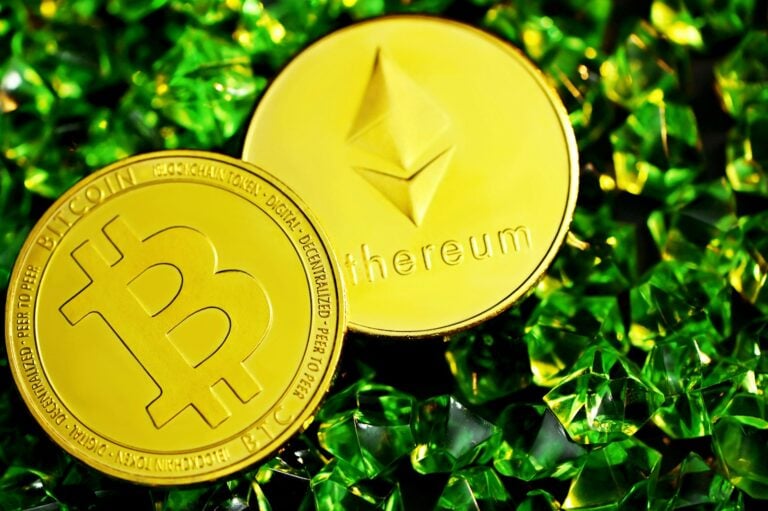
Crypto wallets are digital tools that allow users to store and manage their cryptocurrencies securely. Unlike traditional wallets that hold physical money, crypto wallets store private and public keys, enabling users to send and receive digital currencies such as Bitcoin, Ethereum, and countless others. These wallets come in various forms, including hardware, software, mobile, and web-based wallets, each offering different levels of convenience and security. Software wallets, for example, are typically app-based and offer high accessibility, while hardware wallets are physical devices known for providing robust security by storing keys offline.
One of the primary features of crypto wallets is their decentralization, which means they operate on blockchain technology without the need for a central authority. This characteristic is particularly appealing to those who value privacy and autonomy in their financial transactions. Users of crypto wallets can conduct peer-to-peer transactions globally, often with lower fees compared to traditional banking systems. Additionally, crypto wallets often include features like multi-signature transactions, where multiple approvals are needed for a transaction to be processed, enhancing security.
Another significant aspect of crypto wallets is their ability to support various cryptocurrencies. While some wallets are designed to store a broad range of digital assets, others may focus on specific coins or tokens. The diversity in wallet types and features enables users to choose solutions that best align with their specific needs and preferences. This flexibility makes crypto wallets an attractive option for individuals and businesses looking to diversify their digital asset holdings.
Exploring Mobile Money Platforms and Services
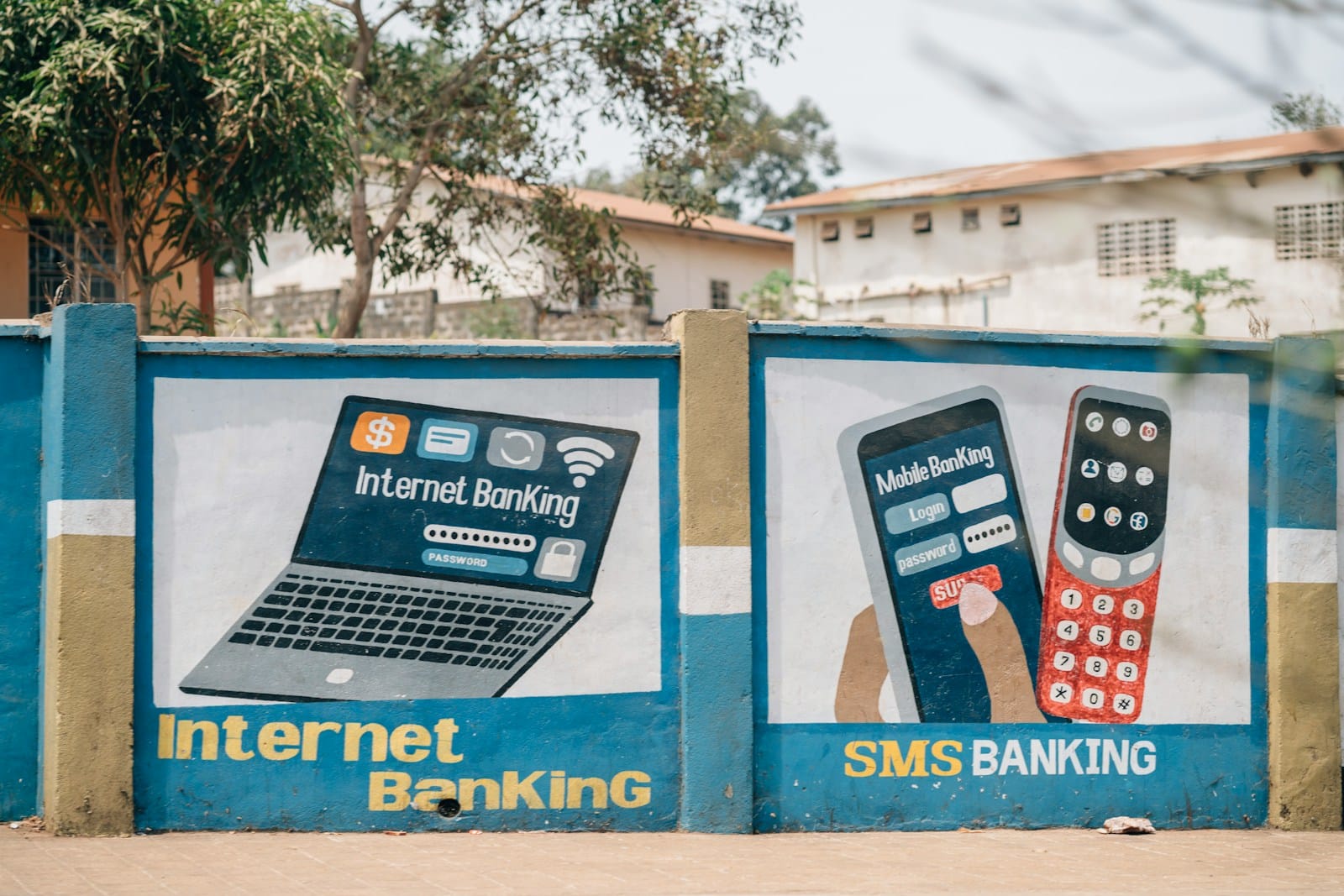
Mobile money platforms offer a different approach to digital financial transactions by enabling users to store, send, and receive money using their mobile phones. These systems have gained immense popularity in regions with limited access to traditional banking infrastructure, providing a more inclusive financial solution. Mobile money platforms typically involve partnerships with telecommunication companies and banks, allowing users to access financial services through simple SMS or mobile app interfaces.
The services provided by mobile money platforms often include money transfers, bill payments, and airtime top-ups. In some markets, mobile money has evolved to offer more sophisticated financial products such as loans, savings accounts, and even insurance. This range of services allows users to manage a variety of financial needs from a single platform, often with the convenience of 24/7 accessibility. Additionally, mobile money platforms are known for their user-friendly interfaces, making them accessible to individuals with varying levels of technological proficiency.
One of the standout features of mobile money platforms is their ability to foster financial inclusion. By providing financial services to the unbanked and underbanked populations, these platforms are empowering individuals and businesses in remote and underserved regions. This increased access to financial services can lead to economic growth and improved quality of life for many users. As a result, mobile money platforms are not only a tool for personal finance management but also a catalyst for socio-economic development.
Key Differences Between Wallets and Platforms
While crypto wallets and mobile money platforms both facilitate digital transactions, they cater to different needs and operate on distinct technological frameworks. Crypto wallets are inherently decentralized, allowing for autonomous control of assets without reliance on a central authority. This is in stark contrast to mobile money platforms, which are centralized systems often regulated by financial institutions and telecom operators to ensure compliance with local laws and regulations.
Another key difference lies in the nature of assets managed by each system. Crypto wallets are designed to handle cryptocurrencies, which are digital assets that rely on blockchain technology. In contrast, mobile money platforms deal primarily with fiat currency, often converted into digital form for transaction purposes. This distinction affects the transaction processes, fees, and the regulatory environments in which each system operates.
Security and accessibility also vary significantly between the two. Crypto wallets offer enhanced privacy and security features like encryption and multi-signature transactions, but they require a certain level of technical understanding to operate effectively and securely. On the other hand, mobile money platforms prioritize ease of use and accessibility, often at the expense of some privacy due to the centralized nature of the system. This trade-off is crucial for users to consider, depending on their priorities and the context in which they plan to use these services.
Evaluating Security and Accessibility Options
Security is a paramount concern for both crypto wallets and mobile money platforms. Crypto wallets generally offer robust security features, such as private key encryption and two-factor authentication, to protect users’ assets. Hardware wallets are considered the most secure option, as they store private keys offline, reducing the risk of hacking. However, users must take personal responsibility for safeguarding their keys and recovery phrases, as losing them can result in permanent loss of access to their assets.
Mobile money platforms, while typically less secure than crypto wallets, implement their own security protocols, including PINs and biometric authentication, to protect users’ funds. Since these platforms are often regulated by financial institutions, they are subject to compliance with industry standards and regulations designed to protect consumers. This centralized approach can offer users peace of mind, knowing that there is recourse in case of disputes or fraud.
Accessibility also differs between the two systems. Crypto wallets require users to have a certain level of digital literacy and understanding of blockchain technology. In contrast, mobile money platforms are designed for ease of use, making them accessible to a wide range of users, including those with minimal technological expertise. This makes mobile money platforms particularly appealing in regions with limited access to digital infrastructure and where financial inclusion is a priority.
In conclusion, both crypto wallets and mobile money platforms offer unique benefits and challenges, making them suitable for different user needs and contexts. Crypto wallets provide enhanced security and autonomy for managing digital currencies, but require a certain level of expertise to use safely. Mobile money platforms, on the other hand, offer a convenient and inclusive solution for managing fiat currencies, particularly in regions with limited banking infrastructure. Understanding these distinctions is crucial for individuals and businesses looking to leverage digital financial technologies effectively. As the digital economy continues to evolve, staying informed about these tools will be essential for navigating the future of finance.